别再死磕 Prompt:用 Briefing Loop 让 AI 回答质量提升 10 倍
文章指出 AI 输出质量差的根源并非 prompt 不够好,而是任务上下文缺失导致模型过早作答。作者提出 Briefing Loop 方法:先以粗略任务启动,再让 AI 主动构建 brief、复述确认、最后生成初稿,并可选进行 Gap Review。该流程适用于写作、教学、数据分析与决策等需判断的场景,本质是将 AI 从执行者转变为协作者。
问题:AI 回答得太快
AI 的一个最大问题是,即使它根本不知道你真正想要什么,它也会直接回答。
如果你让它翻译一句话、修正一个错别字,或者重新格式化一个表格,快速回答完全没问题;但如果你让它写文章、准备课程、分析数据集、设计提案,或者帮你做决策,快速回答通常就是一个危险信号。
在这里,质量并不来自 model。
它来自 context。
而当 context 缺失时,AI 只会用普通答案填补空白。这就是为什么那么多输出看起来都差不多。不是因为大家用的是同一个工具,而是因为大家喂给它的都是同样空洞的指令。
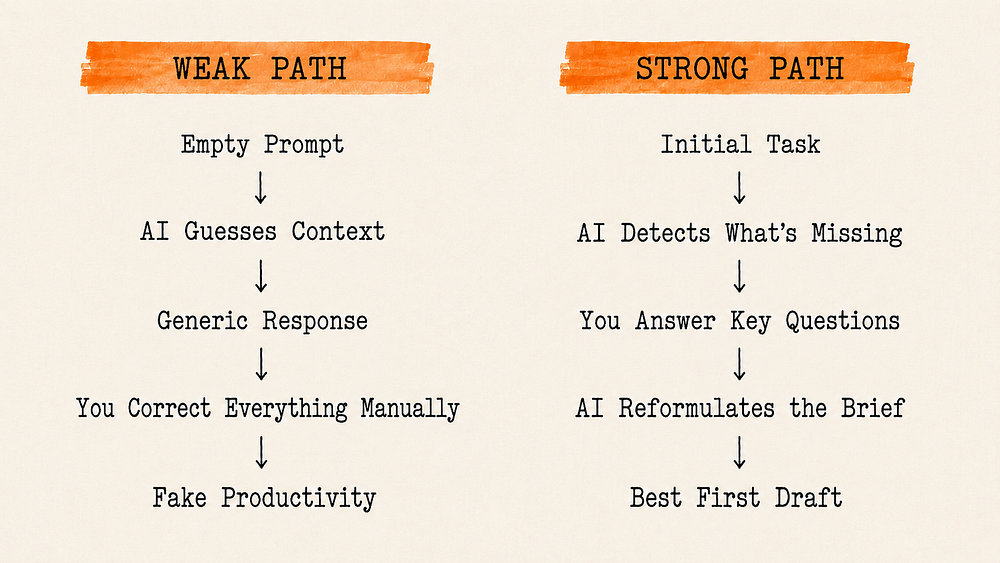
所以我们想要的很简单。AI 应该只在理解任务之后再开始工作,而不是之前。这就是本指南要讲的内容。
Prompting 是提问。Briefing 是准备
prompt 说的是:
Do this.brief 则像这样:
- This is the goal.
- This is who it's for.
- This is the tone.
- These are the limits.
- This is what I want to avoid.
- This is what a good result looks like to me.
大多数人试图通过写得更好的 prompt 来获得更好的结果。
这确实有帮助,但只到某个程度。
真正的提升来自别的地方。它关乎给你正在构建的东西提供方向和目的,而不仅仅是更像样的指令。
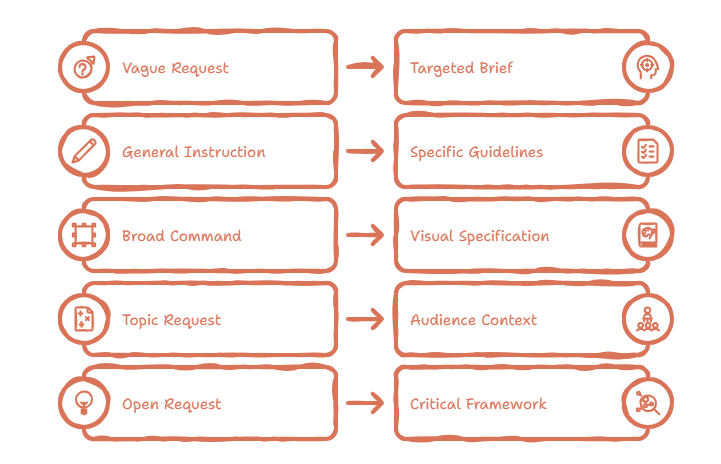
所以,brief 越清晰,模型需要猜的就越少。
AI 的第一项工作不应该总是回答
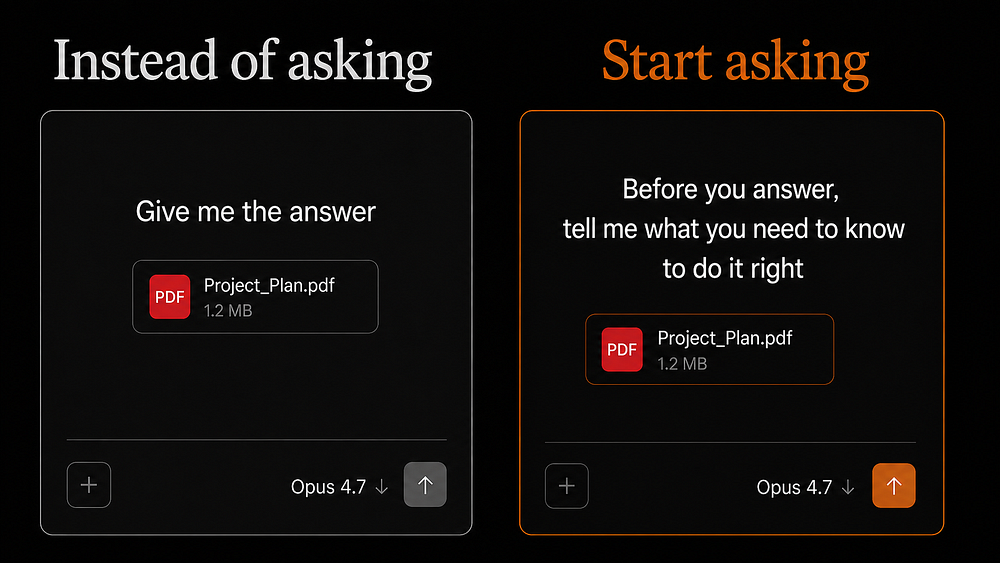
这是最重要的转变。
这种转变会改变整个对话。
AI 不再像一台只会吐出文本的机器,而是更像编辑、顾问、老师或对练伙伴。
有时,AI 最好的第一反应不是答案。
而是一个问题。
或者更好,是一组简短的问题,让你看清自己还没有说清楚什么。
设想一下。你告诉它:
I want to write an article about productivity糟糕的互动是 AI 立刻把文章写出来。
更好的方式是,AI 先问你:
- Who is the article for?
- What problem do you want to solve?
- What common idea do you want to challenge?
- What examples do you want to include?
- What should the reader be able to do after reading it?
在你写下一个字之前,这样就已经让文章更好了。
解决方案:Briefing Loop
系统如下。
它并不复杂。但它彻底改变了我以前与 AI 协作的方式。
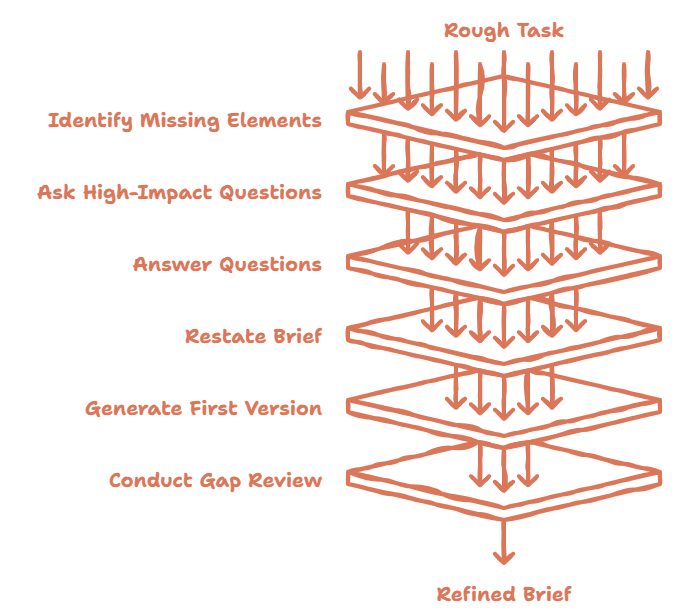
目标是阻止 AI 回答得很快但很糟。
第 1 步:先从一个粗略任务开始
你不需要从一个完美的 prompt 开始。
事实上,这正是重点。你可以从一个很简单的东西开始:
I want to write an article about why people get poor results from AI这还不是 brief。它只是一个粗略任务。它告诉 AI 你想做什么,但没有提供足够的上下文让它做好。
这正是下一步重要的原因。
第 2 步:让 AI 在回答之前先构建 brief
先别让 AI 执行任务。先让它把你的粗略任务转成一个合适的 brief。
可以这样说:
Before you answer, turn my rough request into a proper brief.
Identify what context is missing or ambiguous.
Ask the fewest questions possible.
Only ask questions whose answers would change the final output.
If a question is nice to know but not necessary, skip it.
Ask no more than 3 questions for small tasks and no more than 5 questions for complex tasks.
Don't generate the final output yet.
这会迫使 AI 停下来。
它不会急着在信息不完整的情况下把任务做完,而是先帮你把工作澄清清楚。
所以在 AI 响应之前,你要检查:
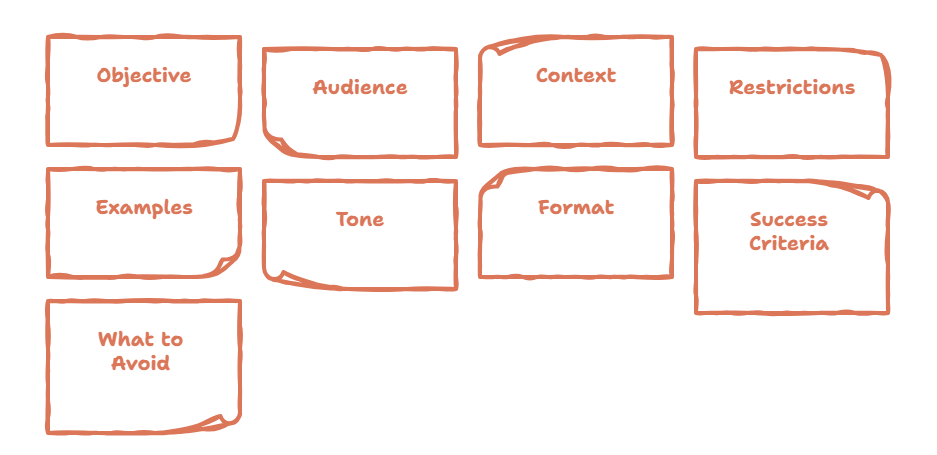
这个清单可以帮你减少猜测,从而得到更好的输出。
把第 1 步和第 2 步的 prompts 组合起来并运行后,预期会有一些来回沟通,直到 Claude 完全理解你想要什么。一旦你们对齐了,就进入第 3 步。
第 3 步:让它复述 brief
这一步看起来很小,但能帮你避免很多错误。
在生成最终输出之前,要求它:
Before writing, restate the brief in your own words.

Include:

- Goal
- Audience
- Angle
- Constraints
- Expected format
- What to avoid
为什么这有效?
因为如果 AI 把 brief 理解错了,结果也会错。修正一段五行的复述,要比修正整篇草稿容易得多。
第 4 步:然后才生成第一版
现在它已经准备好了。
AI 知道自己要做什么。
它知道是为谁做的。 它知道要避免什么。 它知道要遵循什么格式。 它知道什么叫“好”。
这并不保证答案完美。但它会让第一版强很多。
而且,一个强的第一版比看起来更重要。因为如果第一版很弱,后面的一切都会变成补丁。这样一来,你就省下了原本要花在修补糟糕 brief 造成的混乱上的所有时间。
可选:做一次 Gap Review
拿到第一版结果后,不要问:
Can you improve it?这太有限了。
改为问:
Review this result against the brief.

Tell me:

1. What's strong
2. What's still vague
3. What's missing
4. What should be removed
5. What would make it more useful for the audience
这样 AI 就不只是输出,还会成为评估者。
点击这里获取我的免费 Claude 课程(20+ lessons)
将其付诸实践
示例 1:写文章
弱方法:
Write me an article about using AI better.更好的方法:
I want to write an article for professionals who use AI every day but still get generic answers. The core idea is that the problem isn't bad prompts, it's bad briefs.
Before writing, review this brief. Ask me only the 5 most important questions needed to make the article specific, useful, and not generic.
AI 可能会问:
读者具体是谁?
他们通常用 AI 做哪些任务?
你想挑战什么观点?
你希望包含哪些例子?
读完之后,读者应该以什么不同方式去做?
在你写下一个字之前,这样就已经让文章更好了。
示例 2:讲解复杂主题
弱方法:
Explain confidence intervals to me更好的方法:
I need to explain confidence intervals to students who are learning statistical inference for the first time. Before explaining, ask me what you need to know about their current level, the notation they know, the examples they've already seen, the mistakes they usually make, and whether the explanation should be intuitive, formal, or both. Don't explain anything yet.这会彻底改变答案。因为“Explain confidence intervals to me”可以有很多不同含义:一个简单类比、一个正式推导、一道考试解答,或者一份 10 分钟课程的讲稿。
示例 3:数据分析
弱方法:
Analyze this dataset更好的方法:
I'm going to analyze a dataset for a business report.
Before suggesting any analysis, ask me the essential questions about the business objective, the report's audience, the available variables, the decision the analysis should support, the expected technical level, and the final deliverable format. Don't start the analysis until the brief is clear
因为对于 AI,你必须接受一件事:“analyze the dataset” 不是一个目标。要分析它来做什么?预测、比较组别、寻找模式、检测异常、做决策、构建 dashboard,还是训练 model?每一种都会指向不同的分析方式。
示例 4:做决策
弱方法:
Should I do this?更好的方法:
I'm evaluating this decision: [describe the decision].
Before recommending anything, ask me the minimum number of questions needed to understand my goal, my constraints, the alternatives, the risk of being wrong, the cost of waiting, and what information would change the decision. Then give me a recommendation with trade-offs
在这里,这种方法不再只是关于效率。它变成了一种思维方式和澄清方式,因为正确的问题:
迫使你明确自己真正想要什么。
揭示你从未提及的限制条件。
暴露你一直忽略的风险。
帮助你区分偏好和真正的决策。
还有一点
你不需要把 Briefing Loop 用在所有事情上。
当任务涉及歧义、判断或真实后果时,再使用它。
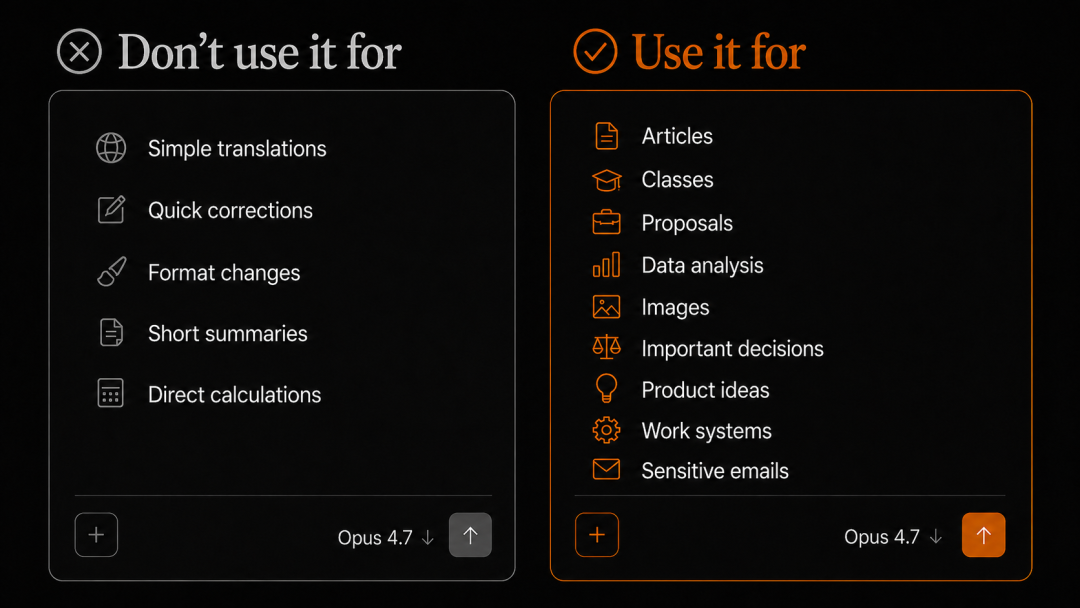
关键问题是:
Does AI need context to do this well?如果答案是否定的,就直接提问即可。
最后再说一点。
如果你一直在解释你是谁、你的写作方式、你的受众是谁、你使用什么语气,或者你期望什么样的结果,那你基本上就是在一遍又一遍地手动写同一个 brief。
这就是 context file 发挥作用的地方。
context file 就是一个永久 brief。你只写一次,AI 以后每次都会复用。
JOTO 企业落地观察
- 对企业部署意味着,不应再将 prompt 工程作为唯一优化路径,而需在系统设计初期嵌入 Briefing Loop 机制——即强制 LLM 在生成前主动澄清任务边界、约束与成功标准,这对降低企业级知识服务的幻觉率和返工成本具有直接价值。
- 这类系统的取舍在于:是否接受首轮交互延迟以换取后续输出稳定性。Briefing Loop 本质是用可控的‘多轮确认’替代不可控的‘单轮猜测’,特别适用于 RAG 知识工程中用户查询意图模糊、领域术语歧义高的场景。
- 对智能体工程而言,Briefing Loop 提供了一种轻量级的‘任务契约’构建范式。它不要求修改模型或训练数据,仅通过结构化提示词引导 LLM 自行产出可验证的 brief,为企业构建可审计、可复现的智能体行为提供了新思路。
- 在 AI 安全治理层面,Briefing Loop 强制显式定义‘目标、约束、规避项’,天然形成任务安全边界的初步声明。当企业将此流程固化为标准接口协议时,相当于为每个 AI 交互注入了最小可行的合规检查点。
立即咨询 JOTO
JOTO 提供覆盖企业智能体规划与搭建、AI 平台私有化部署、RAG 知识工程、AI 安全治理、FDE 驻场共创及持续运营优化的全周期 AI 落地服务,帮助企业把验证中的 AI 能力转化为安全、可控、可持续迭代的生产力。 联系 JOTO 获取 AI 落地咨询
想把这些做法用到你的业务里?
留下你的场景和痛点,我们帮你判断从哪一步开始。
联系我们