
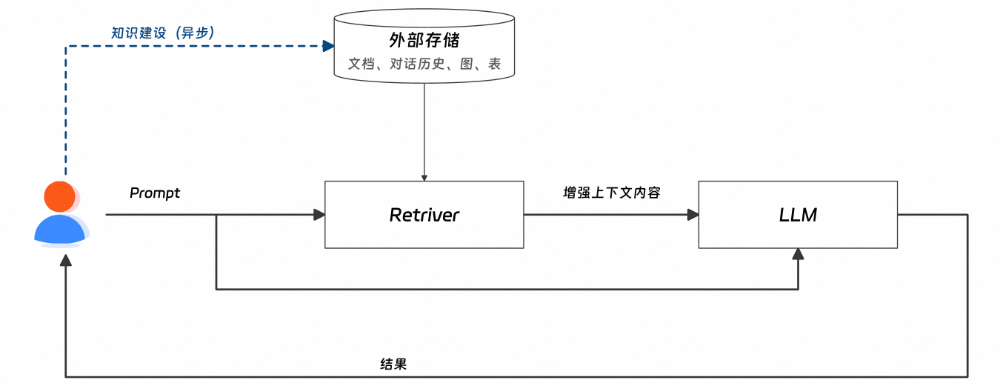
Fig1.RAG链路图-粗粒度版,有缺失

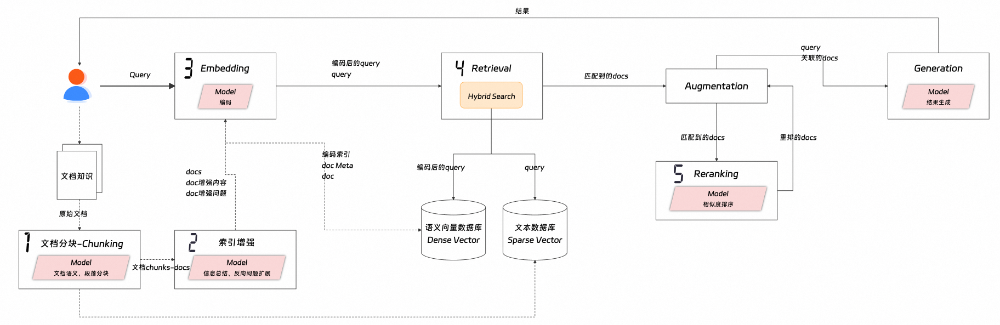
Fig2.RAG链路图-细粒度版
▐ 文档分块-Chunking
# 设置本地数据保存目录local_data_dir = pathlib.Path("/Users/jiangdanyang/workspaces/python/MarioPython/src/RAG/dataset/ai-arxiv2")# 加载数据集(如果本地存在则从本地加载,否则下载)dataset = load_dataset("jamescalam/ai-arxiv2", split="train", cache_dir=str(local_data_dir))# 初始化编码器encoder = OpenAIEncoder(name="text-embedding-3-small",openai_api_key=os.getenv("AI_API_KEY"),openai_base_url=os.getenv("AI_API_BASE_URL"))chunker = StatisticalChunker(encoder=encoder,min_split_tokens=100,max_split_tokens=500,plot_chunks=True,enable_statistics=True,)chunks_0 = chunker(docs=[dataset["content"][0]], batch_size=500)
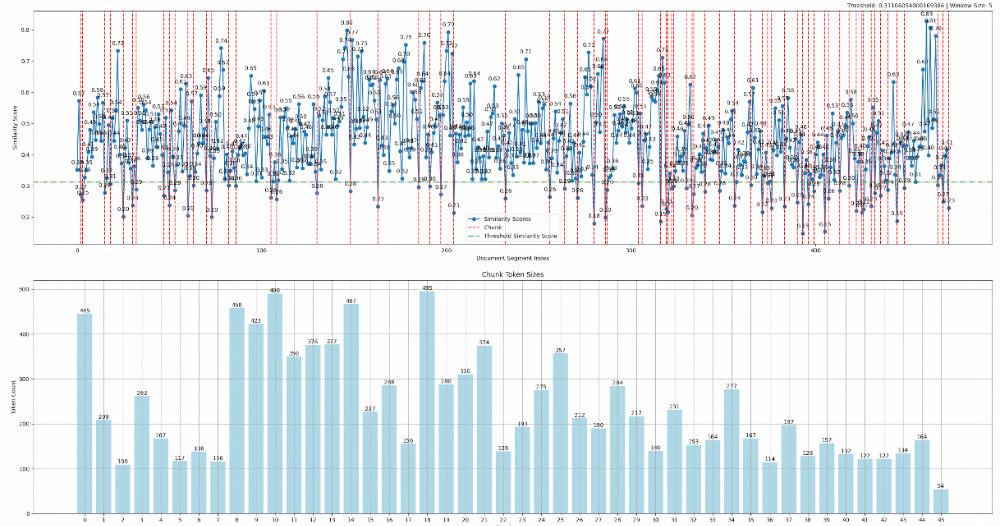
Chunking Statistics: - Total Documents: 474 - Total Chunks: 46 - Chunks by Threshold: 41 - Chunks by Max Chunk Size: 4 - Last Chunk: 1 - Minimum Token Size of Chunk: 54 - Maximum Token Size of Chunk: 495 - Similarity Chunk Ratio: 0.89
整体Documents(可以简单理解为句子数,本部分设计的document都是该含义):474; 整体切分的文件块chunk:46个,其中41chunk的切分是基于相似度的阈值(可以理解为是按照语义正常划分出来的),有4个是因为达到了500tokens数量被切分的,还有最后1个chunk是到文章结尾了; 最大的chunk的token数495个,最小的chunk的token数54个,因为是last chunk,所以会出现小于min_split_tokens的情况; 最后Similarity Chunk Ratio是统计这次切分的chunk,89%的chunk是按照语义切分出来的(41/46)。
Threshold,就是所谓的相似度的下限,上面例子中threshold是0.31,该值越大,chunk内的相关性越好; Window Size,是被用于计算的document的数量大小,默认是5,即每次是选择连续的5个document计算相似度,window size设置越大,上下文切分的相关性越好,但是同时chunking过程的计算量和耗时也更高,chunk大小相对要大。
语义增强
DOCUMENT_CONTEXT_PROMPT = """<document>{doc_content}</document>"""CHUNK_CONTEXT_PROMPT = """Here is the chunk we want to situate within the whole document<chunk>{chunk_content}</chunk>Please give a short succinct context to situate this chunk within the overall document for the purposes of improving search retrieval of the chunk.Answer only with the succinct context and nothing else."""
反向HyDE
Given the following text chunk, generate {n} different questions that this chunk would be a good answer to:Chunk: {chunk}Questions (enumarate the questions with 1. 2., etc.):
first_sentence = "直播分享会AI Living第一场"second_sentence = "直播鲁班小组分享第77期"model = SentenceTransformer("/Users/jiangdanyang/workspaces/python/Model/all-MiniLM-L6-v2")tokenized_first_sentence = model.tokenize([first_sentence])tokenized_second_sentence = model.tokenize([second_sentence])

编码模型的语言问题,不同语言会有不同的分词和词汇表,比如例子中使用的这个编码模型all-MiniLM-L6-v2在处理中文的文本时候,就比较差,可以看到返回的id有好些100(不可识别的token),中文的处理可以找相应的中文embedding模型,但是不是所有语言都有对应的编码模型,因为语种太多,同时如果一些语种对应的数据语料太少,不足以训练这样的一个模型。 编码模型的词汇表大小,例子中的all-MiniLM-L6-v2的词汇表大小是30522,有些主流模型的词汇表大小基本都在5w以上,有些10w以上,词汇表小会导致一些词无法表示,只能用一个兜底token id来代替,会影响后续处理的效果;词汇表大能精准标识文本的输入,但是间接也会增加文本编码完之后的token大小; 编码模型的语义空间,不同的编码模型有自己的词汇表,以及自己对应的向量语义空间,向量语义空间的效果决定于该模型训练基于的数据集,目前用于文本编码的模型,基本都是现有世界知识的通用语义空间,偏日常、大众化的关联,如果我们需要在一个特定领域下,有一个特殊的语义空间,可能就需要找一个使用该领域下的数据训练的embedding模型,或者需要自己SFT一个,不然预期想要的效果和实际效果可能会有比较大的gap;(顺便说下图知识的问题,直接拿图片当知识,处理过程可能就是OCR的文本提取,或者是LLM对于图片的理解描述,但是这里的干扰会很大,比如中间过程的文本,是不是你期望的样子和描述的维度,这些都需要把握下,不然后续的检索召回肯定也是一团浆糊)。
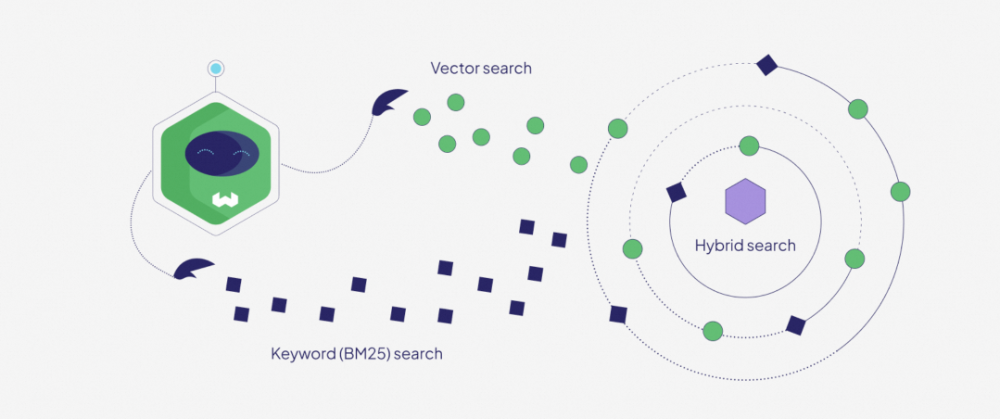
Sparse向量主要是通过BM25为代表的算法生成,BM25核心就是TF-IDF算法(词频-反向文档频率),返回是某个query相对每个文档编号的分数值(具体算法如下):

# Load the chunkscorpus_json = json.load(open('/Users/jiangdanyang/workspaces/python/MarioPython/src/RAG/dataset/corpus.json'))corpus_text = [doc["text"] for doc in corpus_json]# optional: create a stemmerenglish_stemmer = snowballstemmer.stemmer("english")# Initialize the Tokenizer with the stemmersparse_tokenizer = Tokenizer(stemmer=english_stemmer,lower=True, # lowercase the tokensstopwords="english",# or pass a list of stopwordssplitter=r"\w+",# by default r"(?u)\b\w\w+\b", can also be a function)# Tokenize the corpuscorpus_sparse_tokens = (sparse_tokenizer.tokenize(corpus_text,update_vocab=True, # update the vocab as we tokenizereturn_as="ids"))# Create the BM25 retriever and attach your corpus_json to itsparse_index = bm25s.BM25(corpus=corpus_json)# Now, index the corpus_tokens (the corpus_json is not used yet)sparse_index.index(corpus_sparse_tokens)# Return 10 the most relevant docs according to the querysparse_results, sparse_scores = sparse_index.retrieve(query_tokens, k=10)
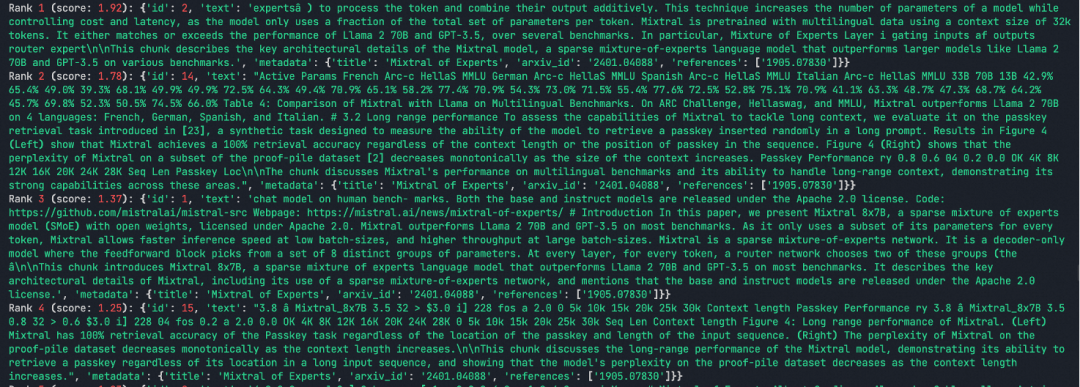
Dense向量主要是通过基于Transformer架构的embedding模型来进行编码生成,同时针对查询query,使用同样的embedding模型进行编码,然后再进行向量的相似度比对,找出最相似的n个结果:
#Dense Index# create the vector database clientqdrant =QdrantClient(path="/Users/jiangdanyang/workspaces/python/MarioPython/src/RAG/dataset/qdrant_data")# Create the embedding encoderdense_encoder = SentenceTransformer('/Users/jiangdanyang/workspaces/python/Model/all-MiniLM-L6-v2')collection_name = "hybrid_search"qdrant.recreate_collection(collection_name=collection_name,vectors_config=models.VectorParams(size=dense_encoder.get_sentence_embedding_dimension(),distance=models.Distance.COSINE))# vectorize!qdrant.upload_points(collection_name=collection_name,points=[models.PointStruct(id=idx,vector=dense_encoder.encode(doc["text"]).tolist(),payload=doc) for idx, doc in enumerate(corpus_json) # data is the variable holding all the enriched texts])query_vector = dense_encoder.encode(query).tolist()dense_results = qdrant.search(collection_name=collection_name,query_vector=query_vector,limit=10)
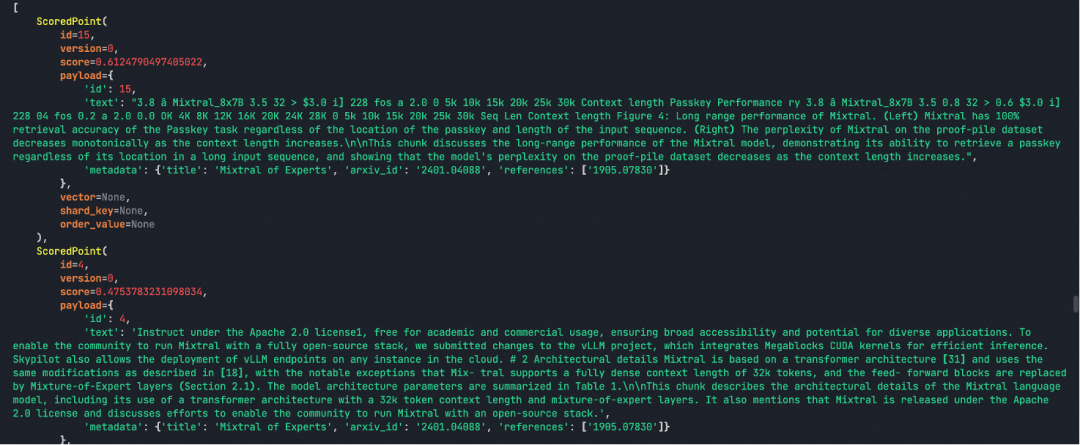
最后针对上述两种方式找出的chunk做综合筛选,这里可以有多种方式,比如比较常用的就是先分别对Sparse向量和Dense向量计算出来的top n个结果的分值做归一化,然后针对统一个Chunk,按照一定的权重(比如Sparse向量计算结果权重0.2,Dense向量计算结果权重0.8)计算一个最终分值,最后返回top n个chunk列表给到下个节点:
# Normalize the two types of scoresdense_scores = np.array([doc.get("dense_score", 0) for doc in documents_with_scores])sparse_scores = np.array([doc.get("sparse_score", 0) for doc in documents_with_scores])dense_scores_normalized = (dense_scores - np.min(dense_scores)) / (np.max(dense_scores) - np.min(dense_scores))sparse_scores_normalized = (sparse_scores - np.min(sparse_scores)) / (np.max(sparse_scores) - np.min(sparse_scores))alpha = 0.2weighted_scores = (1 - alpha) * dense_scores_normalized + alpha * sparse_scores_normalized

如果当前场景的检索需要兼顾关键词和语义的时候,可以考虑混合搜索(需要结合文档内容、chunking和关键字词构建等环节);相对于关键字词匹配检索,混合搜索可以降低查询编写的规范性(不一定要有特定的关键词出现)以及提升查询的容错性(可能会有拼写错误或者不恰当的描述);相对于语义相似检索,混合搜索可以增加一些领域专有信息的更精准匹配,提升检索结果的准确性。
检索的优点是可以在海量的知识里面快速找到和用户query相关的内容块docs,但是检索所返回出来的docs,实际上可能部分和用户query关联度并不大,这个时候就需要通过re-rank这一步,对于检索返回出来的docs做关联度排序,最终选取最相关的top k个doc,做后续的上下文补充。
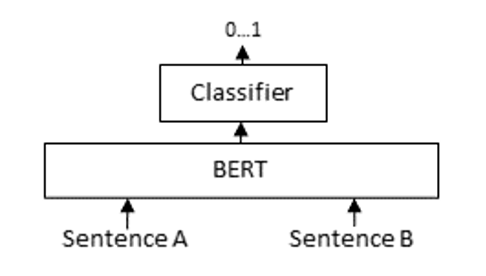
在RAG链路中,ReRanking的常用技术是Cross-Encoder(交叉编码器),本质一个Bert模型(Encode-only的transformer架构),计算query和每一个doc相关性,返回0~1之间的结果(1代表最相关),示意图和代码示例如下:
from sentence_transformers import CrossEncodercross_encoder = CrossEncoder("/Users/jiangdanyang/workspaces/python/Model/jina-reranker-v1-tiny-en")hybrid_search_results = {}with open('/Users/jiangdanyang/workspaces/python/MarioPython/src/RAG/dataset/dense_results.json') as f:dense_results = json.load(f)for doc in dense_results:hybrid_search_results[doc['id']] = docwith open('/Users/jiangdanyang/workspaces/python/MarioPython/src/RAG/dataset/sparse_results.json') as f:sparse_results = json.load(f)for doc in sparse_results:hybrid_search_results[doc['id']] = docconsole.print(hybrid_search_results)# This is the query that we used for the retrieval of the above documentsquery = "What is context size of Mixtral?"pairs = [[query, doc['text']] for doc in hybrid_search_results.values()]scores = cross_encoder.predict(pairs)

最后进行排序,选择top k个结果补充到context中,然后调用模型拿最后的结果:
client = OpenAI( api_key=os.getenv("AI_API_KEY"), base_url=os.getenv("AI_API_BASE_URL"))completion = client.chat.completions.create( model="qwen_max", messages=[ {"role": "system", "content": "You are chatbot, an research expert. Your top priority is to help guide users to understand reserach papers."}, {"role": "user", "content": query}, {"role": "assistant", "content": str(search_results)} ])
AI应用的开发实践进行得非常火热,现阶段可能更多的是对已有的一些基建平台、开发编排工具、现成的横向基础产品做整合使用,结合使用场景做链路设计,但是随着时间推移,还是需要慢慢深入到部分细节,往深水区慢慢前行,本文讲述的RAG只是AI架构中的一块,其他相关的技术,在对待方式上也雷同,都需要经历快速使用、技术细节了解、使用产品实现了解、应用中的设计实现迭代、面向效果的循环优化,快速上手有捷径,得益于比较好的基础设施建设,成本比较低,但是深入追寻效果,切实提升效率或幸福感,需要更深入的探寻,希望对读到这里的小伙伴有帮助;